3 Key Times to Schedule Tree Trimming in Las Vegas, NV
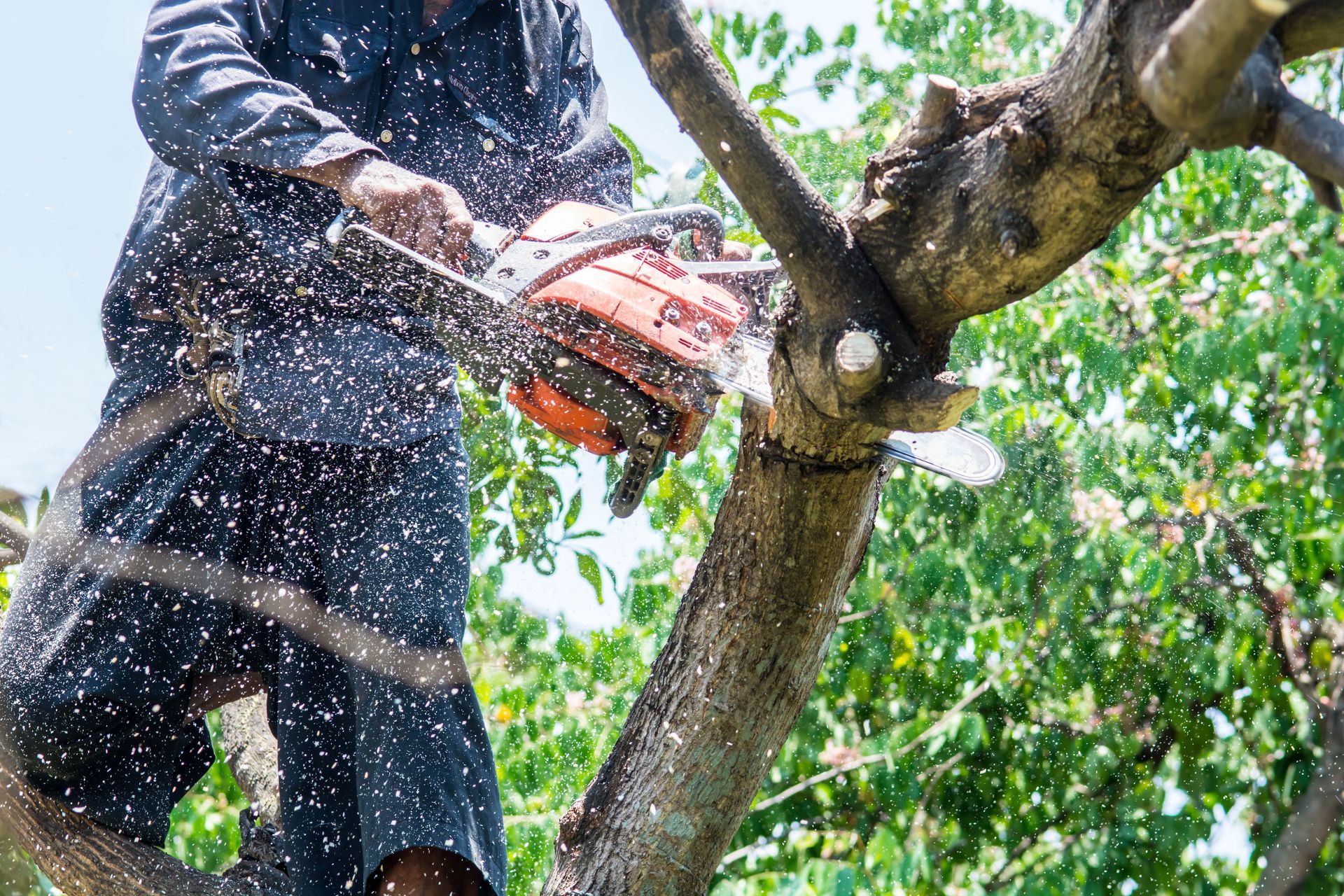
Las Vegas homeowners often underestimate how critical timing is to effective tree care. Improper pruning at the wrong time of year can stress trees, invite disease, and reduce shade precisely when it’s needed most. With extreme desert heat and unique native species like palms, tree trimming in Las Vegas, NV, demands seasonal precision. Understanding when to prune, not just how, ensures healthier trees, enhanced landscape resilience, and long-term property value.
These are 3 key times to schedule tree trimming:
1. Why Timing Matters for Tree Trimming
Tree trimming must align with local climate patterns and species-specific growth cycles. Unlike temperate regions, the Mojave Desert environment presents sharp seasonal contrasts: scorching summers, mild winters, and sporadic monsoon rains. Pruning during peak heat may expose bark to sunscald, while late-summer cuts can trigger vulnerable new growth before winter.For deciduous and ornamental trees common in residential yards, such as mesquite, desert willow, and palo verde, the dormant season (late fall through early winter) is ideal. During dormancy, trees conserve energy in their roots. Pruning then minimizes sap loss, reduces infection risk, and channels stored resources into stronger spring growth. This strategic timing also allows arborists to assess branch structure clearly without leaf cover, improving pruning accuracy.
Tree trimming performed outside this window may compromise a tree’s natural defense mechanisms. Fungal pathogens and wood-boring insects are more active in warm months, increasing the likelihood of infestation through open wounds. A disciplined seasonal approach supports not only individual tree health, but also the broader urban canopy that provides critical shade and cooling in urban heat islands.
2. Optimal Window: Late Fall to Early Winter for Most Trees
The period from November through February offers the safest and most effective conditions for tree trimming in Las Vegas, NV. Cooler temperatures reduce pest activity and fungal spore dispersal, lowering the chance of disease entering pruning wounds. Additionally, trees heal more efficiently before spring’s rapid growth phase begins.Proper dormant-season pruning enhances structural integrity by removing dead, crossing, or weak limbs. It also shapes the canopy to support future growth without compromising natural form. Over-pruning, especially more than 25% of the canopy, should be avoided, even in winter, as it can destabilize a tree’s energy balance. Skilled professionals understand how much to remove while preserving the tree’s ability to photosynthesize once leaves return.
This seasonal strategy is particularly important for non-native ornamentals, which may already struggle with arid soil and low humidity. Tree trimming during dormancy gives these species a fighting chance to acclimate and thrive. It also reduces the need for corrective pruning later, lowering long-term maintenance costs and minimizing stress on the landscape ecosystem.
Moreover, pruning during cooler months avoids interfering with flowering cycles for species like palo verde or desert willow, which bloom on the previous season’s growth. Removing too much wood in spring or summer can eliminate next year’s blooms entirely, another reason timing is non-negotiable for aesthetic and ecological balance.
Tree trimming executed in late fall
also aligns with municipal guidelines in many neighborhoods, which often restrict major pruning during nesting seasons or high-fire-risk periods. Staying within these windows ensures compliance and avoids fines or service delays.
3. Special Considerations for Palm Tree Trimming
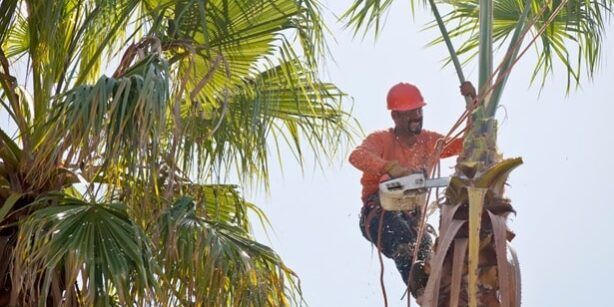
Palm trees, ubiquitous in Las Vegas landscapes, follow a different biological rhythm. Unlike deciduous trees, palms do not enter true dormancy. Their growth is continuous but slows significantly in cooler months. The best time for palm tree trimming is late spring to early summer (late May through early June).By this time, fronds have fully matured, and seed pods (if present) are visible, allowing for precise removal without stressing the tree. Warmer soil and air temperatures also accelerate wound healing, minimizing vulnerability to pests like palm weevils. Crucially, avoid “hurricane cuts” or over-trimming, which strip too many green fronds and weaken the palm’s structural and nutritional reserves.
Over-pruned palms not only lose aesthetic appeal but also suffer reduced photosynthetic capacity, making them more susceptible to heat stress during summer. Professional palm care balances safety, aesthetics, and biological needs—ensuring the tree remains a functional and beautiful asset.
It’s worth noting that palm tree trimming in Las Vegas, NV
, differs fundamentally from broadleaf pruning. Palms grow from a single apical meristem, so improper cuts can kill the entire tree. Only dead or fully brown fronds should be removed; green fronds, even if drooping, contribute vital nutrients. This distinction underscores the need for species-specific timing and technique.
Tree trimming that includes palms must respect these biological constraints. Attempting to prune palms in winter not only delays recovery but can leave stubs that collect rainwater, a breeding ground for mosquitoes and fungal rot in rare wet spells.
Summer Pruning Risks in the Desert Climate
One of the most frequent errors in Las Vegas landscaping is aggressive pruning just before or during summer. Removing too much canopy eliminates critical shade that protects a tree’s trunk and surrounding plants from 110°F+ temperatures. Without adequate foliage, sunscald can crack bark, invite borers, and compromise vascular tissue. Moreover, summer pruning stimulates tender new growth that lacks the lignin strength to withstand dry winds and intense UV exposure. This not only endangers the tree but also increases water demand, a concern in a region prioritizing conservation.The desert climate demands a delicate balance: enough pruning to maintain safety and structure, but sufficient foliage to provide self-shading and thermal regulation. Tree trimming in Las Vegas, NV, during summer should be limited to emergency removal of hazardous limbs only. Even irrigation schedules must be reconsidered post-pruning in summer. Reduced canopy means less transpiration, yet exposed roots may dry out faster. Without expert guidance, well-intentioned pruning can lead to long-term decline.
Final Considerations for Year-Round Tree Health
Consistent, seasonally appropriate tree trimming is not just about aesthetics, it’s a proactive investment in safety, water efficiency, and ecological resilience. Proper timing supports natural defense systems, reduces disease vectors, and maximizes shade benefits during peak heat. For palm tree trimming, timing is equally critical but governed by different rules. Understanding these nuances prevents costly mistakes and ensures your landscape thrives year after year.We Can Take Care of Your Trees!
If you’re uncertain about when to prune your specific trees, consult a certified arborist familiar with desert species. Strategic planning today prevents emergency removal tomorrow. For professional guidance and service aligned with seasonal best practices, contact Rocky’s Tree Service .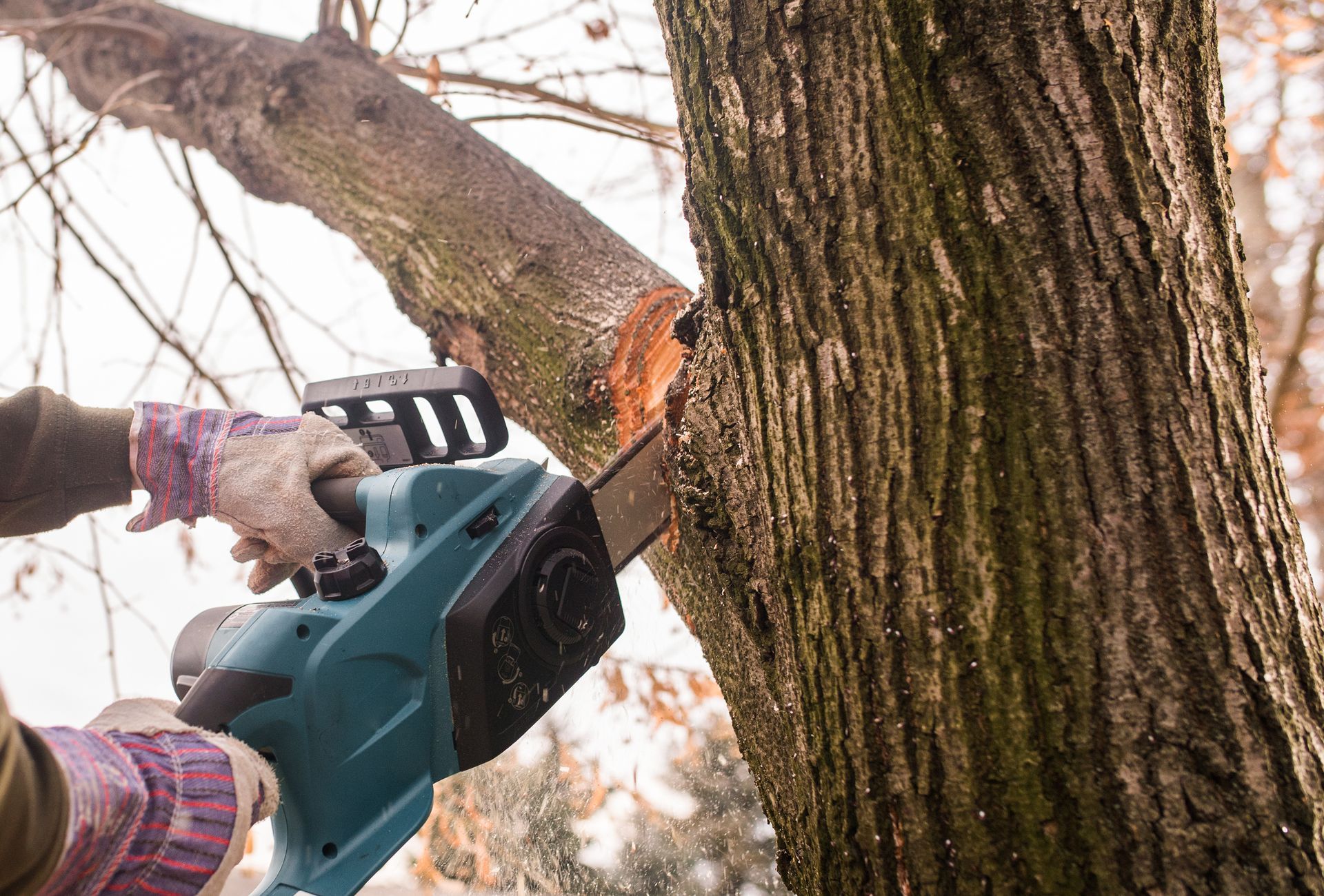
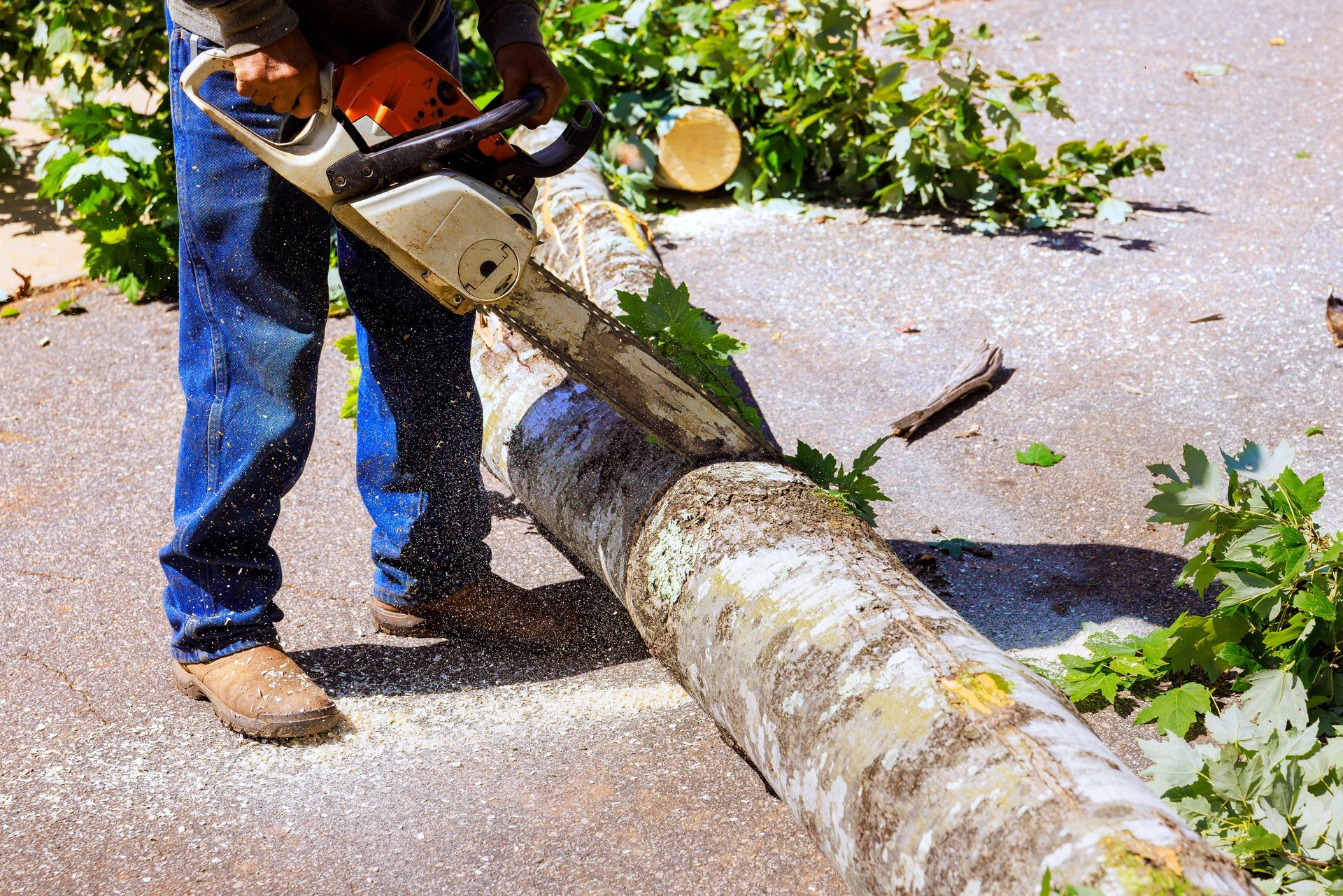
Need Tree Trimming Services in North Las Vegas, NV? Rocky's Tree Service offers free estimates & seasonal scheduling for desert trees. Call for a quote today!
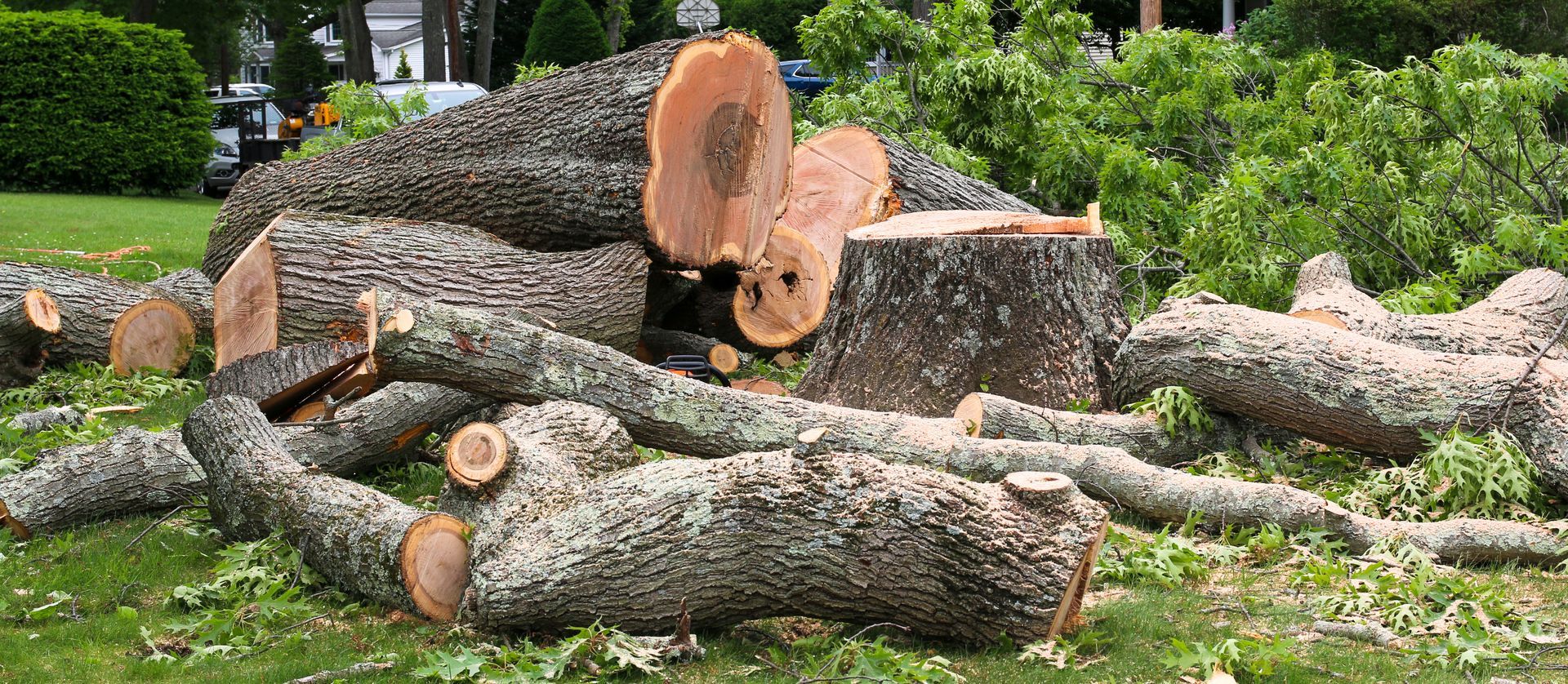
Need a tree removal service in North Las Vegas, NV? Rocky's Tree Service explains 2026 permit, heritage tree, and HOA rules. Get a free quote today!
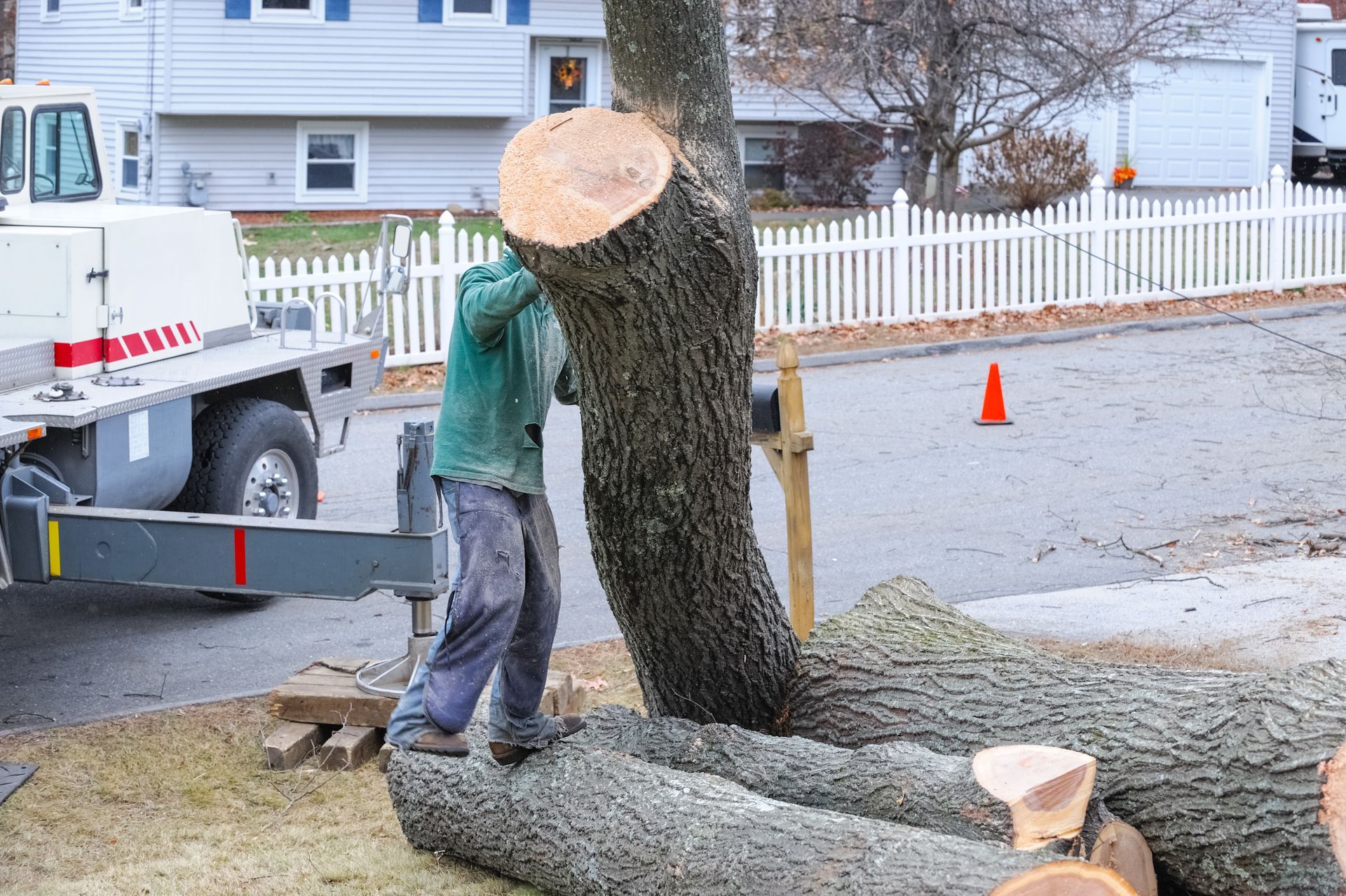
Need expert tree removal in Las Vegas, NV? Trust Rocky’s Tree Service for safe, fast, and reliable care. Contact (702) 294-8900 today for an estimate!
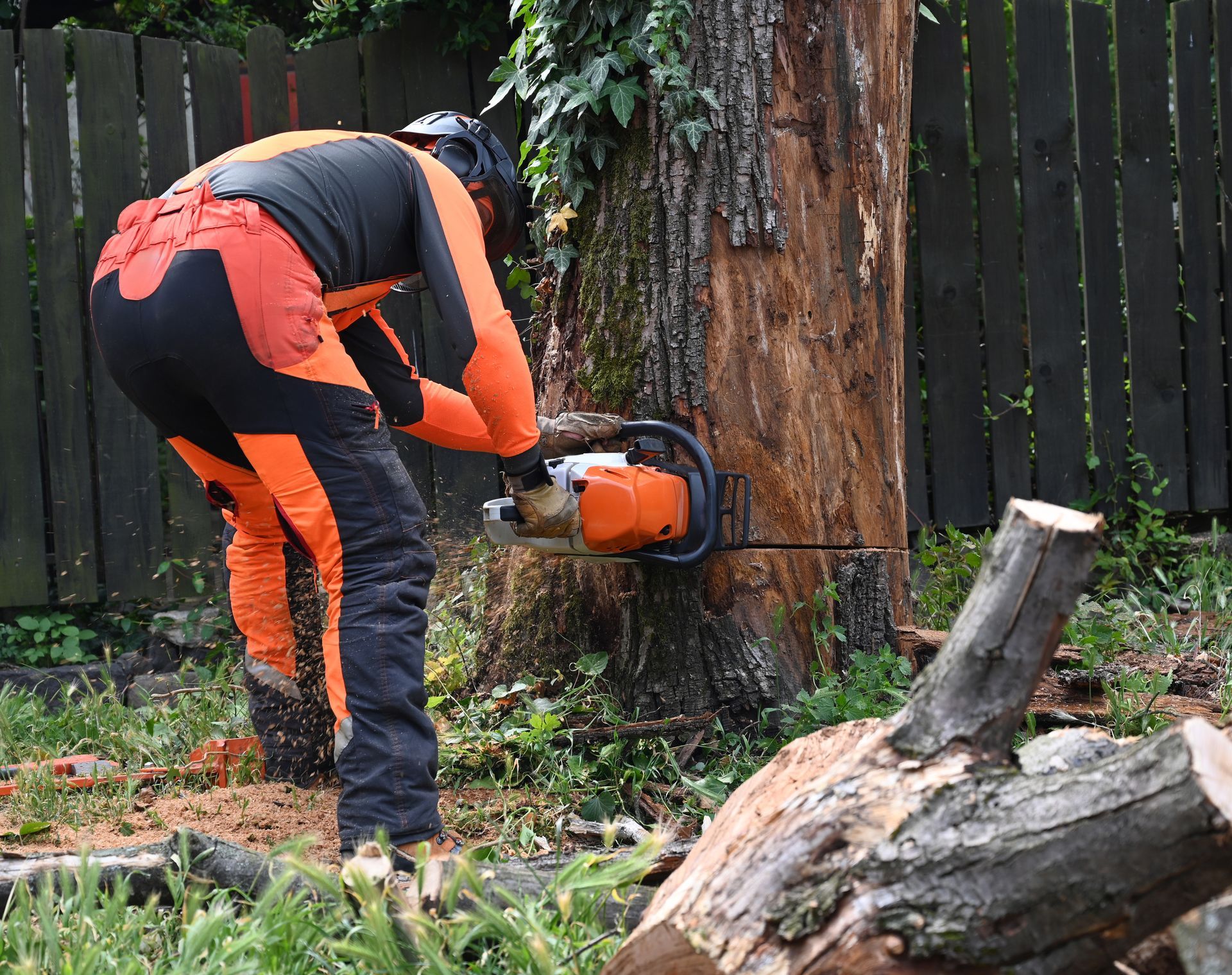
Learn when tree removal is the smart move in Paradise, NV. Rocky’s Tree Service guides you with tips and expert help. Click here for top advice and insights!
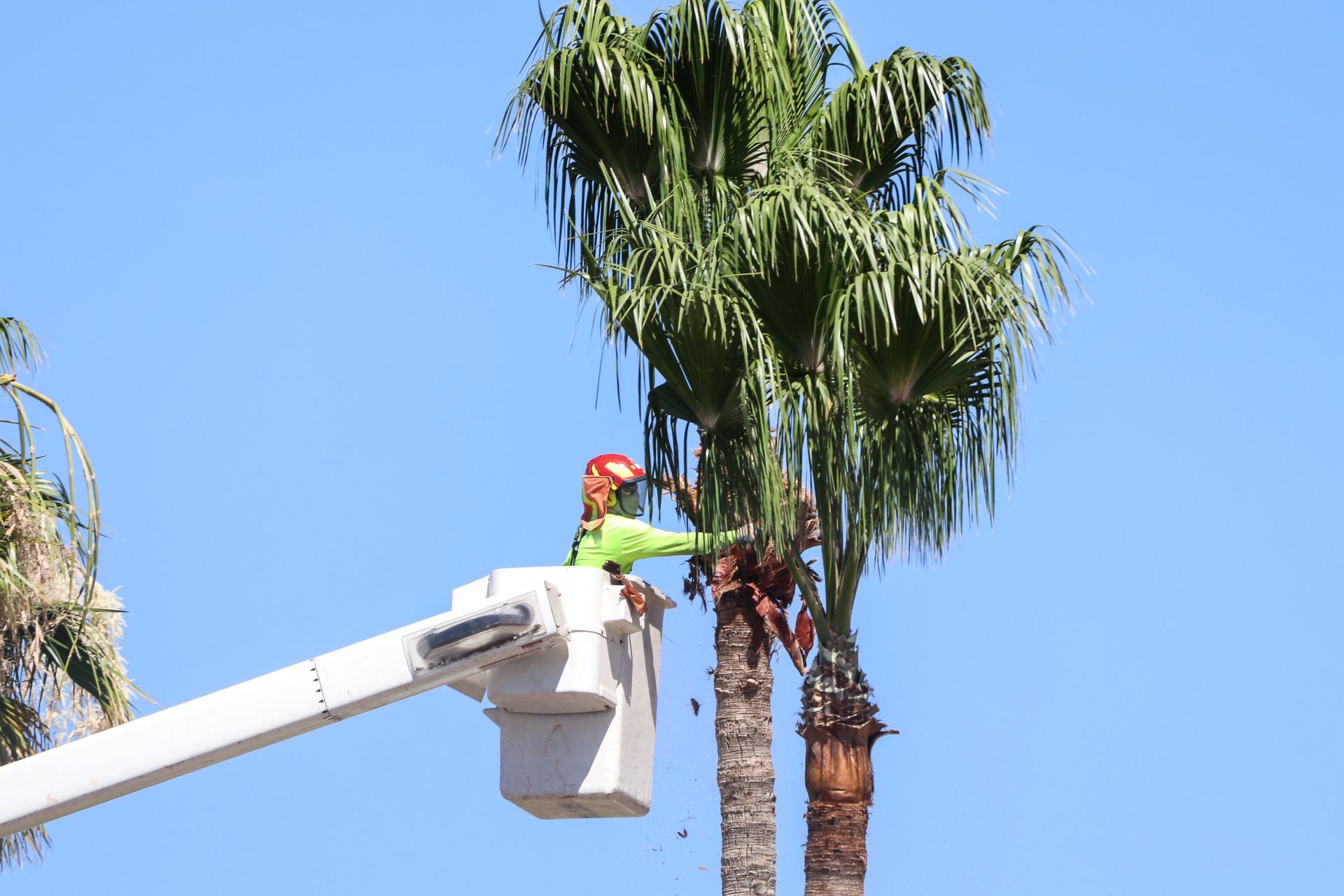
Understand the difference between tree trimming & pruning in Las Vegas, NV. Keep your trees healthy with expert services from Rocky’s Tree Service.
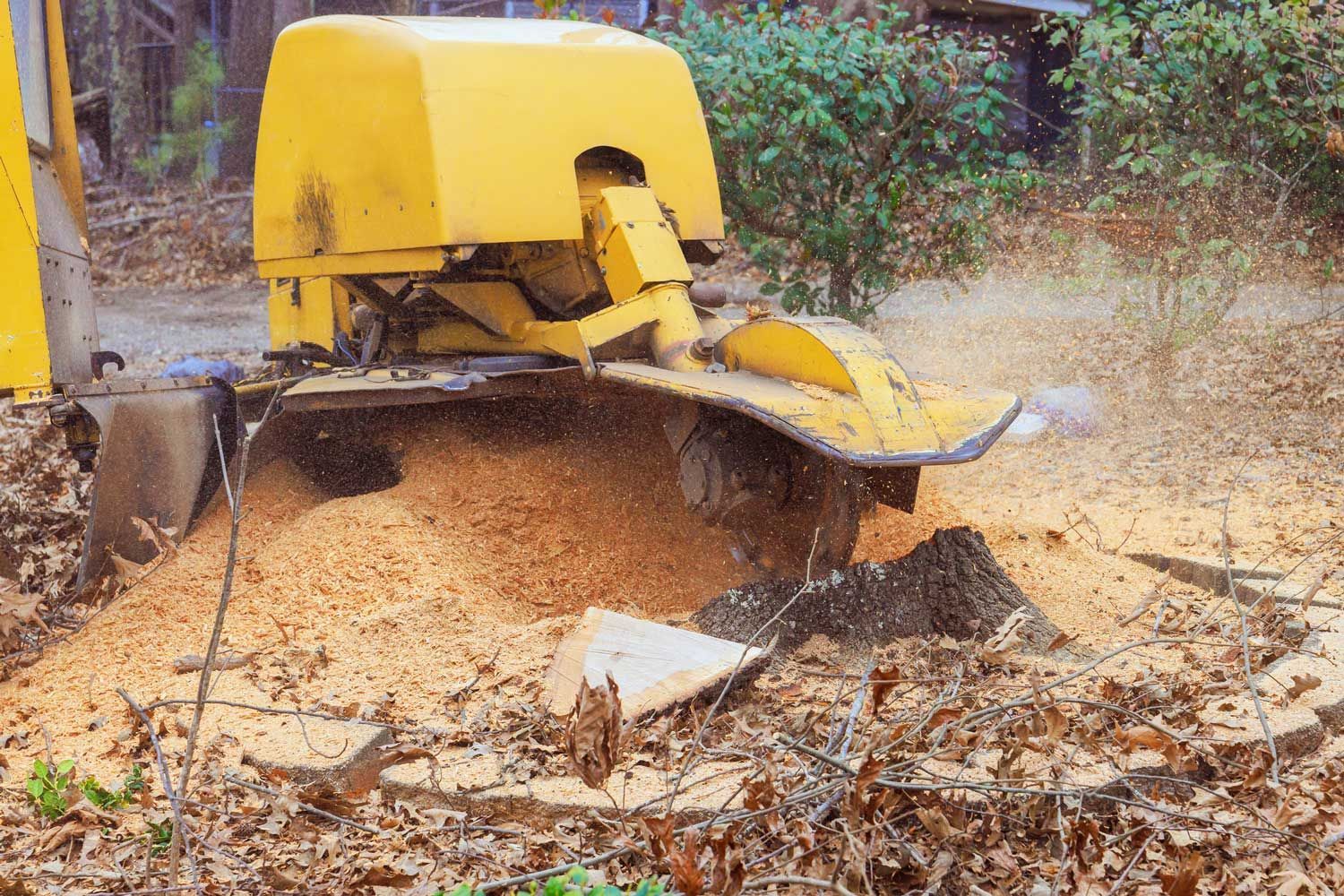
Learn the difference between tree stump removal & grinding in Paradise, NV. Make an informed decision for your yard with Rocky’s Tree Service.
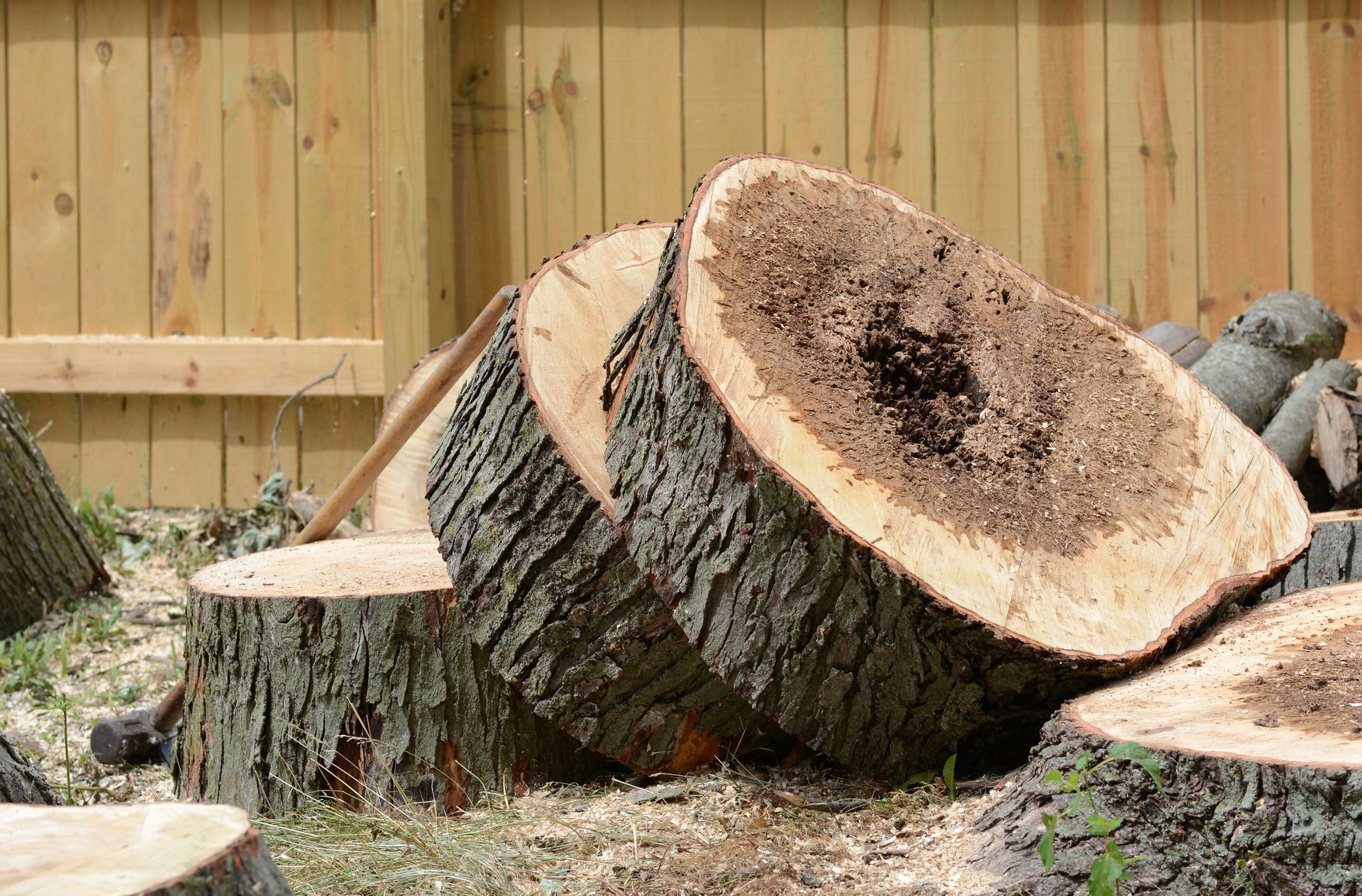
Identify the signs you need tree stump removal services in Las Vegas, NV. Contact Rocky’s Tree Service for expert care and protection.
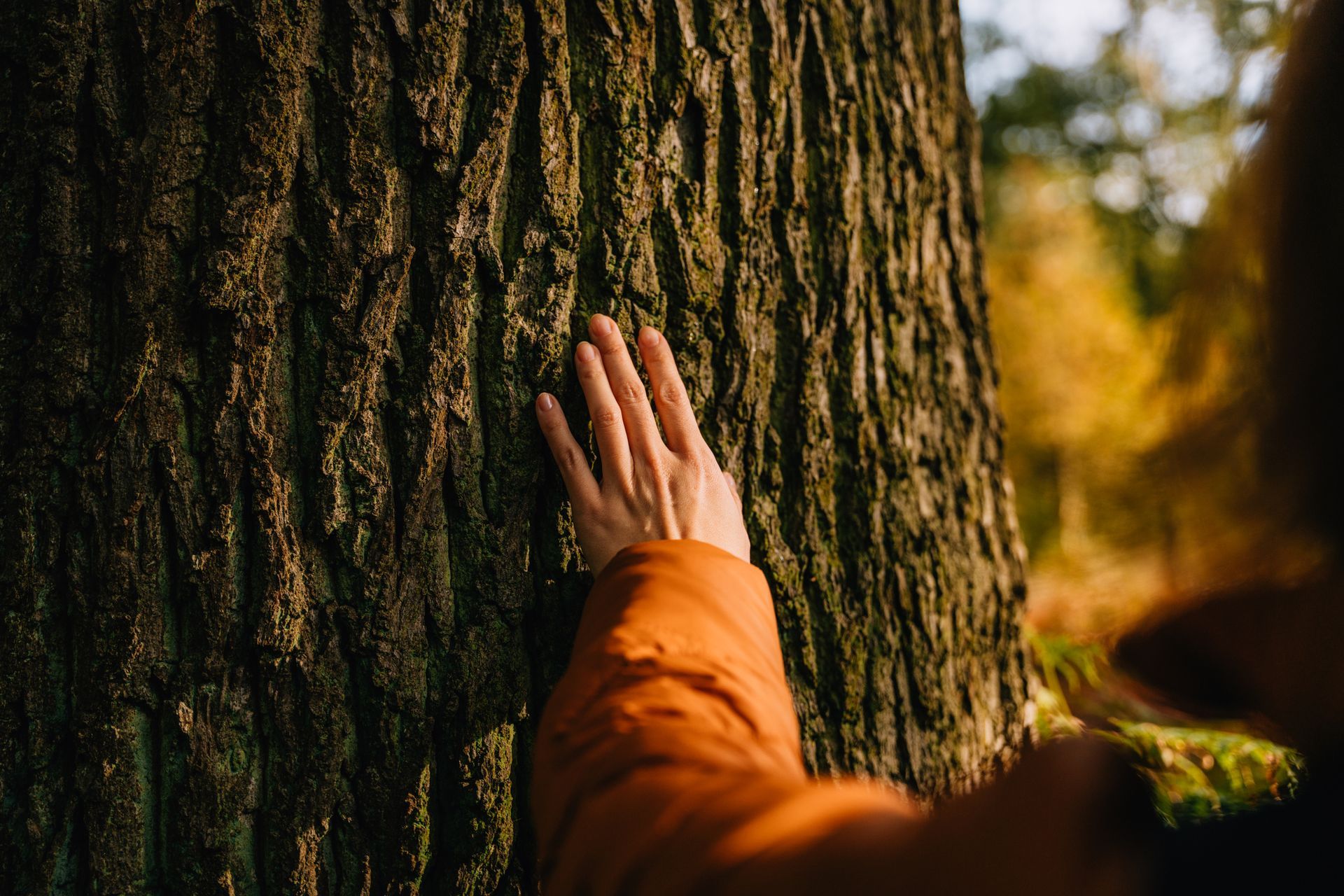
Learn essential tree care tips for healthy trees in Las Vegas, NV. Get expert advice on proper tree maintenance from Rocky’s Tree Service.
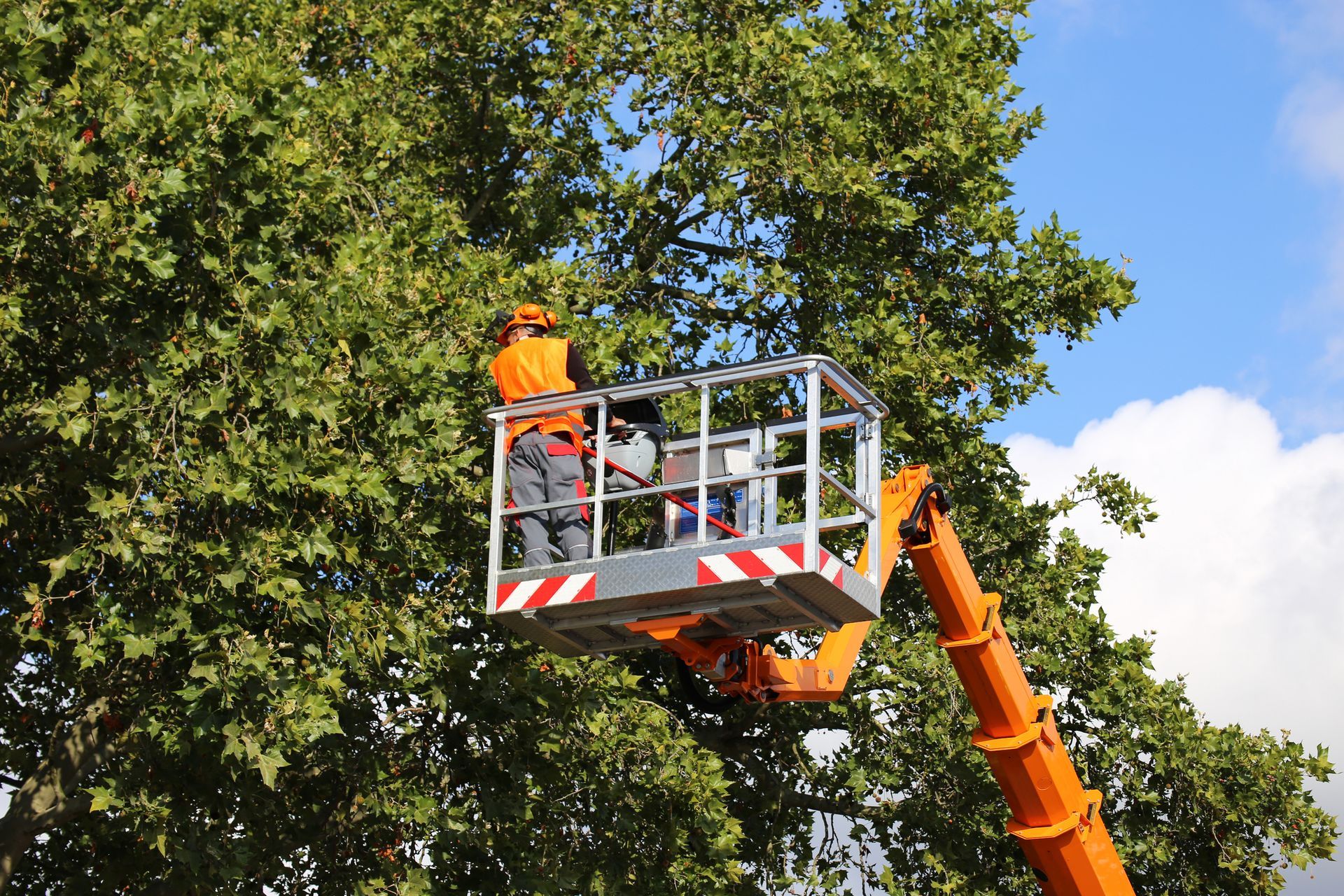
Discover professional tree care practices that enhance your Las Vegas, NV property’s curb appeal. Trust Rocky’s for healthy, beautiful trees.
In the arid landscape of Nevada, maintaining a beautiful, healthy yard can be challenging. Trees are vital to your property's ecosystem, offering shade,



